

TL/DR:
A sales channel strategy helps B2B tech companies grow faster by working with partners, such as resellers, distributors, and integrators, to reach new markets and customers. Done well, channel programs extend your sales reach while keeping costs manageable.
In this article, readers will learn:
- What a sales channel strategy is and how it works
- Why channel sales are valuable for B2B tech companies
- How to evaluate and select channel partners
- Steps to build a scalable partner sales program
This article was originally written in February 2021 and has since been updated with new discoveries and research in October 2025.
In today’s B2B tech ecosystem, relying solely on your in-house sales team isn’t enough to drive deals. You need the power of a robust, scalable sales channel strategy to reach new markets and achieve sustainable growth.
Why? A successful sales channel strategy is key to reaching new audiences, doing more with what you have, increasing revenue, and improving partner relationships.
Whether you’re selling SaaS solutions, IT services, or cybersecurity platforms, a thoughtful approach to channel development can be the difference between incremental gains and exponential expansion. Start by auditing your B2B lead generation tools and deciding which ones partners can access, so channel plays slot smoothly into your existing motion.
This article helps you understand B2B sales channel strategies and gives you step-by-step instructions for building your own.
What Is a Sales Channel Strategy?
Even if your sales team is well-trained and high-performing, it has practical constraints that prevent limitless scaling. Translation: Your salespeople can only do so much work. Channel sales (also called partner sales) change this dynamic and greatly expand your potential reach by tapping into third-party partners.
What is channel sales? It’s a go-to-market approach where a company sells its products or services through businesses such as resellers, distributors, agents, or managed service providers. It can be used instead of, or alongside, direct sales (where a company sells directly to customers), and supports your inside sales efforts.
Channel sales can be wildly beneficial for a sales team and its organization: This approach expands your market reach, saves costs, and enhances brand visibility. It can also help by supporting those in SDR roles, cure sales pipeline problems, and improve outbound lead generation. That’s because, in this model, your partners act as an extension of your sales team, helping you reach new markets, reduce internal sales costs, and scale faster than you could on your own.
Studies show that this method is becoming more effective over time, with more than 80% of sales reps saying channel selling has a bigger impact on revenue than a year ago. But to guide this approach, you need a comprehensive sales channel strategy, which outlines how exactly your business reaches customers through these third-party partners.

Why a Sales Channel Strategy Is Critical for B2B Tech Companies
Why should teams use a sales channel strategy in the B2B tech space? The reality of today’s selling landscape is that even the most promising, innovative products and solutions can fall short if they don’t reach the right buyers at the right time.
Here’s why a strong sales channel strategy is mission-critical to business outcomes.
Scalability and Flexibility
Eager to grow? Channel sales allow you to tap into external partners to scale faster, without the need for an in-house expansion. By leveraging established networks, you instantly increase your capabilities in areas such as regional coverage, vertical expertise, and sales skills.
These partnerships are also flexible: you can scale programs up or down as needed, based on things like seasonality, launches, or pipeline gaps.
Cost Efficiency
A strong sales channel strategy can be highly cost-effective. Instead of paying to recruit, train, and manage more internal sales development representatives, you can quickly scale and access new talent by partnering with external experts.
Here’s a quick look at the numbers: Recruiting and hiring a new employee costs an average of $4,700. But the real cost is often many times higher, particularly for highly-skilled workers. Plus, hiring the wrong sales reps can be even more costly when accounting for lost sales and wasted time; it can rack up a bill of tens of thousands of dollars (or more).
Increase in Reach
Sales teams have a natural limit in their reach. But channel sales allow you to quickly expand your markets and penetrate new regions, offering localized support and tailored services. For B2B tech companies, this means faster market entry and the ability to compete on a global scale without the heavy lift of establishing local offices or sales infrastructure.
Steps to Building a Successful Sales Channel Strategy
Effectively deploying channel sales requires more than just signing up a few resellers. It calls for structure, alignment, and a clear understanding of how each partner contributes to your growth goals.
Here’s a step-by-step process you can follow for building a sales channel strategy that drives measurable results.
1. Assess Your Current Sales Channels
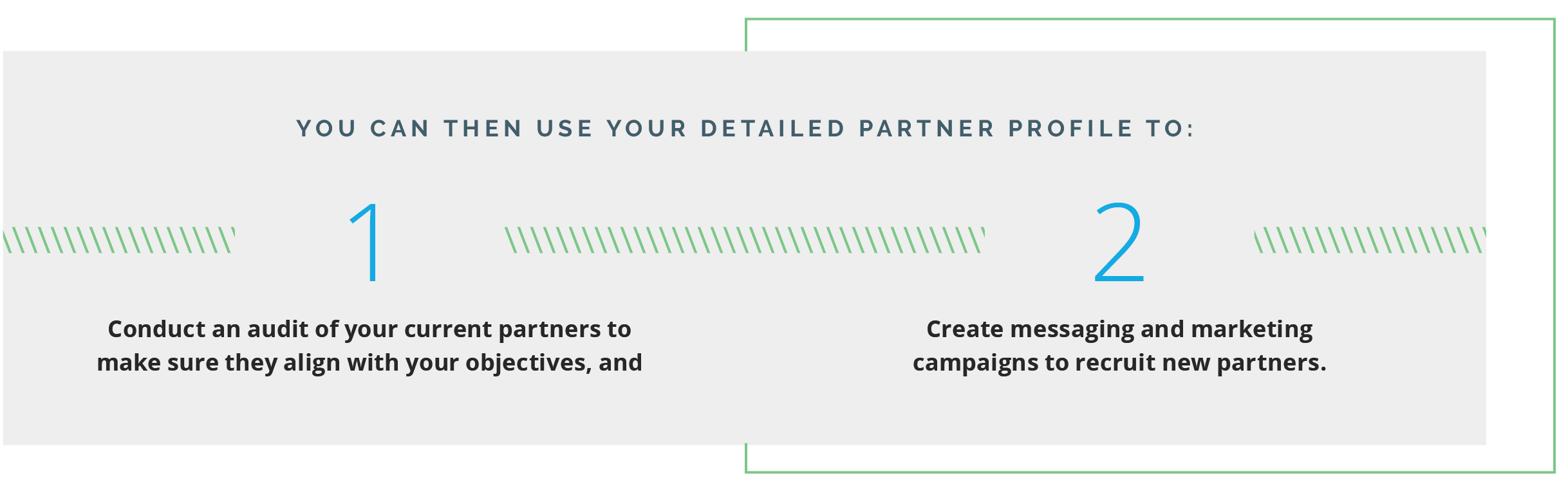
Before building or expanding your channel strategy, start by taking a close look at what’s already in place. Review your current channels and their performance, whether you’re relying primarily on direct sales or already engaging with indirect partners (like resellers or distributors). Evaluate key metrics such as lead volume, conversion rates, and deal velocity to understand where your sales engine is thriving and where it’s stalling.
The goal here? To identify opportunities for improvement in pipeline management.
2. Identify Your Ideal Channel Partners
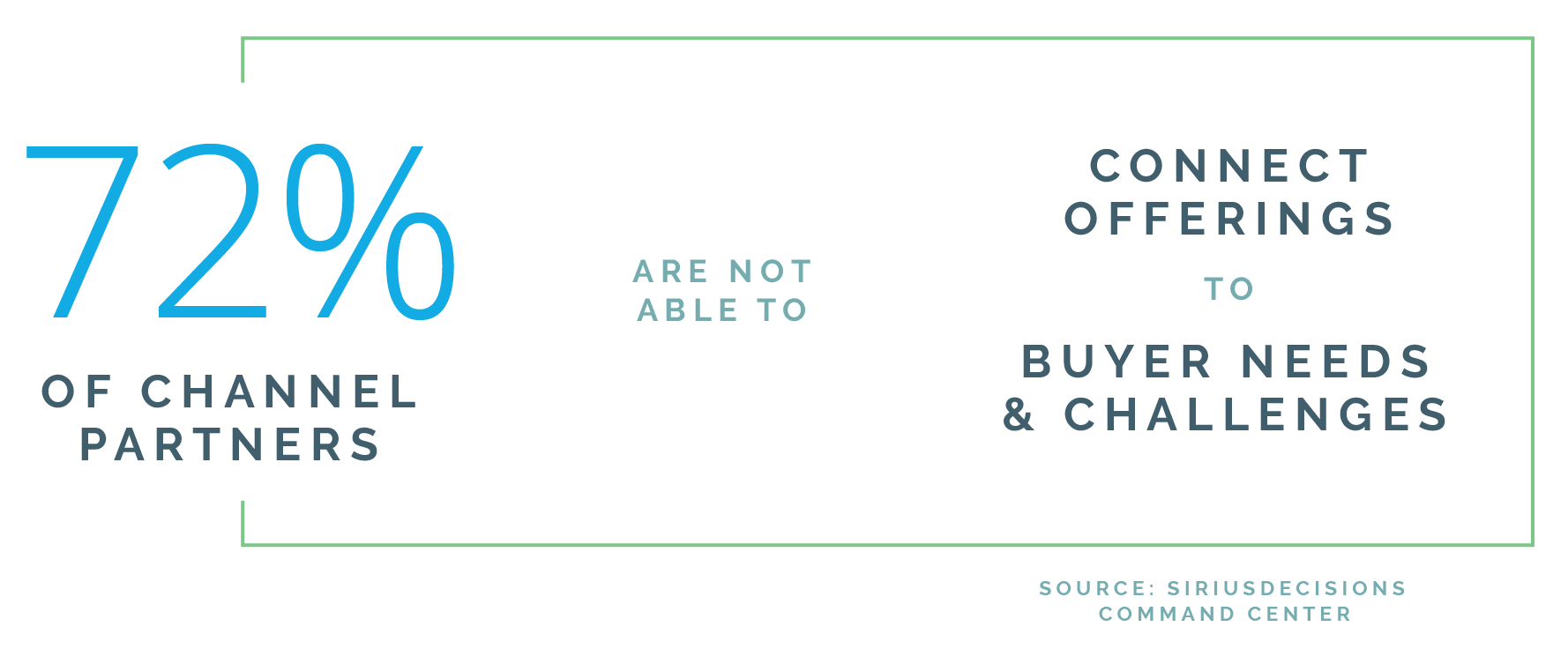
Selecting the right partners is the foundation of a strong sales channel strategy. Choose partners who align with your company’s values, goals, and target markets.
They should understand your customers’ challenges and be able to represent your brand with credibility. Prioritize partners with proven chops in account-based sales development for your ICP segments and verticals.
Equally important is a partner’s ability to customize your solution to meet specific customer needs. In B2B tech, flexibility and technical expertise can make or break a deal. Look for partners who can adapt your offerings (through integrations, managed services, or localized support) to deliver greater value to end users.
3. Choose the Right Channel Sales Models
There are different channel sales models to choose from. Selecting the right model(s) ensures your partners are equipped and incentivized to sell effectively.
Brokerage Channel
Best for simpler products, this option is where a partner bundles your SaaS solution into a larger offering. It’s similar to the relationship between an insurance agent and the insurance company.
Insurance agents often bundle together multiple policies and add-ons, creating a customized solution based on the particular needs of each client. The same thing happens with this SaaS channel sales strategy.
For instance, your broker channel partner may work with hotels or restaurants and develop a software stack with all the best SaaS solutions. Yours could be the service of choice for their transaction management.
By partnering with a reseller who is focused on high-volume transactions and already selling products similar to yours, you integrate your SaaS point solution into their toolbox. The best part? Brokerage channel models will also offer basic support of your service to the end user.
Value-Added Reseller (VAR)
When companies say they “sell through the channel,” it most often refers to a value-added reseller (VAR) channel sales strategy. VARs offer a full-service turnkey solution to the customer, usually bundled with added features, integrations, and services.
VARs basically do it all:
- Customize the software to the customer’s needs
- Invoice the customer
- Support the customer
This option is ideal for more complex solutions where your product is sold with added services.
Consultant/Developer
Sometimes called the ‘Application Developer’ model, the consultant/developer strategy is very similar to a value-added reseller (VAR) approach. It’s focused on services around your software, offering customization without full sales responsibility.
But unlike a VAR, these partners don’t technically sell your software. Your organization still invoices and directly supports the customer after the sale and implementation is complete.
HubSpot’s partner program is an example of this strategy in action. Marketing agencies and similar companies sell services surrounding HubSpot’s platform and work with companies to purchase a HubSpot license. But those HubSpot licenses are always purchased directly from HubSpot rather than the partner.
4. Set Clear Goals and KPIs
Once you’ve built your partner network, it’s essential to define what success looks like for each relationship, to monitor performance, and keep things on track. Establish measurable KPIs for each partner, such as revenue targets, lead generation, and customer retention (we’ll cover specific metrics to track later on).
5. Train and Enable Your Partners
Even the best partners need the support of a strong foundation to sell effectively. Provide comprehensive channel partner training, covering product knowledge and sales processes, so partners can confidently position your solution in competitive markets.
Also, equip your partners with the resources they need for success. Offer marketing and sales tools (like playbooks, demo scripts, and objection-handling resources) that simplify the sales process and ensure consistency in customer interactions.
6. Foster Long-Term Partner Relationships
Successful channel partnerships thrive on ongoing collaboration, not one-off deals. Focus on mutual growth by understanding your partner’s business model and supporting them with relevant resources. When your partners see that you’re invested in their success, they’ll be more motivated to prioritize your solutions and advocate for your brand.
Additionally, use feedback loops to continuously improve the partnership and refine your strategy. Regular check-ins, performance reviews, and joint planning sessions help you identify what’s working, address pain points, and refine your strategy together.
Best Practices for Channel Partner Relationship Management
When it comes time to plan and implement your new sales channel strategy, here are a few best practices to ensure your partnerships are successful:
- Establish open lines of communication: Create strong, two-way lines of communication with your partners to effectively address concerns and uncover new growth opportunities. Regular check-ins, partner portals, and performance reviews ensure everyone stays aligned and informed.
- Reward high-performing partners: Celebrating and recognizing wins can keep partners motivated and aligned with your goals. Consider recognition programs, performance bonuses, or exclusive benefits to reinforce desired behaviors and show appreciation.
- Help your partners grow: Offer co-marketing opportunities, joint promotions, and customer success initiatives. When you invest in your partners’ visibility and success, they’ll invest in driving your brand forward.
Partnerships thrive when they’re built on clarity, cadence, and shared wins. If you keep communication tight, reward the outcomes you want, and actively fuel partner growth, your channel stops being a side play. It becomes a scalable engine—one that compounds trust, pipeline, and revenue quarter after quarter.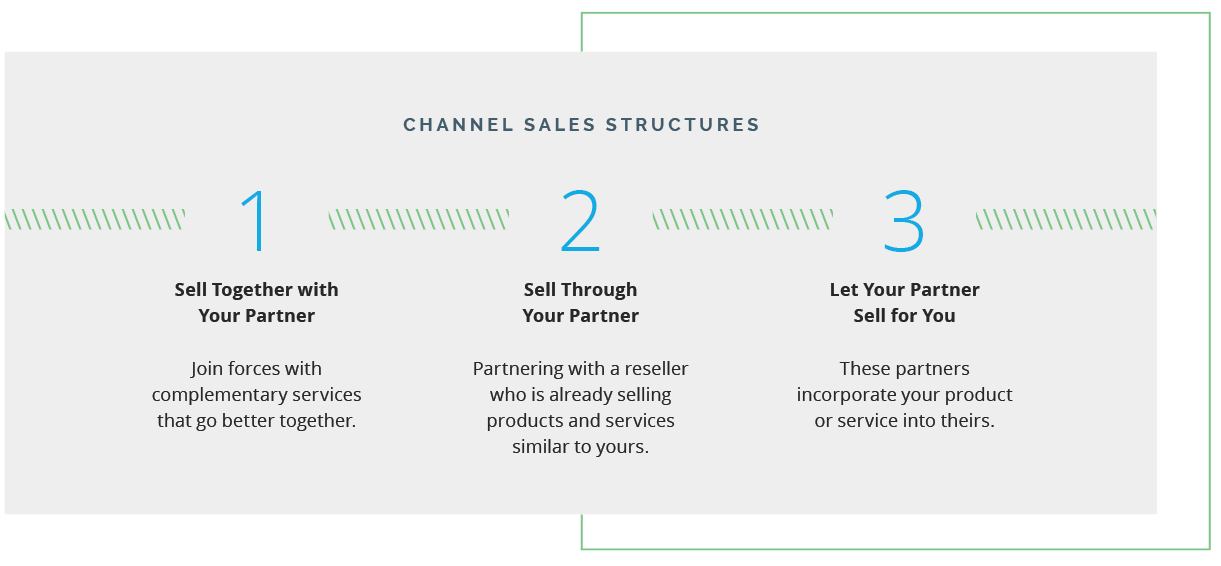
Common Mistakes to Avoid in Sales Channel Strategy
Even well-structured sales channel strategies can fail to move the needle if they’re not executed properly. Here are key missteps to watch out for and how you can avoid them before they impact your growth.
1. Failing to Align Goals
Ensure your objectives and KPIs align with your partners’ goals to avoid confusion and miscommunication. Goal misalignment shows up as conflicting initiatives or vague targets that leave teams guessing. You can prevent this issue by co-creating a plan with shared revenue and pipeline targets, clear definitions (what counts as a qualified lead?), and a cadence for reviewing performance.
2. Neglecting Support
Inadequate partner training or failure to provide ongoing support can hinder success: even capable partners need guidance and resources. Start with proper partner onboarding, so partners know how to position your solution effectively.
Then, move on to continuous enablement and updates. Regularly touch base with your partners about new product features, messaging shifts, and best practices, to ensure they stay confident and capable.
3. Underestimating the Value of Automation
Many B2B tech companies rely on manual processes or scattered spreadsheets to manage partner activity, an approach that quickly becomes unsustainable as the program scales. Instead, implement automated tools to do things like simplify complex workflows, track key metrics, and streamline communication between your internal team and external partners.
Measuring Success in Channel Sales
With multiple partners, markets, and sales motions in play, tracking performance is essential to understanding what’s driving revenue and where your strategy needs refinement.
Key Performance Indicators (KPIs)
To keep your sales channel strategy accountable and scalable, track metrics that show you exactly how your partners are performing, such as:
- Revenue and profitability metrics:
- Total channel program revenue across all channel partners
- Channel program profitability (i.e., program cost to revenue ratio)
- Revenue by channel partner, product, geography, reporting period, and campaign
- Profitability by channel partner
- Opportunity metrics:
- Number of leads by channel partner
- Value of the leads they generate
- The number of leads closed vs leads generated
- The time it takes each channel partner to act on a lead
- The time it takes for a channel partner to convert a lead into a sale
Dashboards don’t exist to impress—they exist to decide. When you measure revenue, profitability, and opportunity flow at the partner level, you can double down on what works, coach what’s fixable, and cut what’s not. That discipline keeps your channel accountable today and scalable tomorrow.
Customer Feedback
Another way to measure channel success is by hearing from customers themselves. Collect and analyze customer feedback through channel partners to ensure product-market fit. This can help you get a pulse-check on the customer experience, identify challenges customers are facing, and see where your partners are excelling.
Partner Performance
Measure how well each partner is performing and adjust strategies as necessary. Look beyond top-line revenue to assess pipeline contribution, lead quality, and deal velocity. Regular performance evaluations help you understand which partners are driving the most value and which may need additional training, support, or motivation.
Use these insights to optimize your channel strategy, doubling down on high performers, re-engaging underperforming partners with targeted support, or refining your partnership structures to align everyone toward shared goals.
Maximize Your Channel Sales Today
A well-structured channel sales strategy can help your B2B tech company grow faster, more efficiently, and with lower risk. By leveraging trusted partners, streamlining operations, and aligning incentives, you create a scalable growth engine that extends your reach, strengthens customer relationships, and keeps your internal teams focused on what they do best.
Ready to optimize your sales channel strategy?
Contact Inside Sales Solutions for a personalized consultation on building a strategy that drives long-term growth.
FAQs
What exactly is a sales channel strategy?
A sales channel strategy defines how your company sells through third-party partners, like resellers or integrators, to reach customers your internal team may not be able to cover alone.
Why are channel programs especially valuable for B2B tech companies?
Because partners often bring regional access, industry expertise, and existing customer relationships that help expand market reach faster than hiring and scaling an internal team.
What’s the biggest mistake companies make when building a channel strategy?
Signing partners without a clear plan for enablement, metrics, and alignment, successful channel programs require structure and shared goals to drive real revenue impact.